
By: Yamilet Aponte
The initiative develops traceability, monitoring, and species selection systems to strengthen the
production of trees intended for communities in southwestern Puerto Rico.
Beyond tree planting, the Urban Trees for Resilience, Equity, and Empowerment in Puerto Rico (U-TREE Puerto Rico) program by Caribbean Communities Regenerative Development (CRCD) is committed to innovating in how the species that will be part of its efforts to reforest the area are produced, managed, and distributed.
urban area of southwestern Puerto Rico.
Funded by the US Forest Service through a grant of approximately $7 million for the period from 2024 to 2029, U-TREE works in eleven municipalities of southwestern Puerto Rico, from Peñuelas to Las Marías. The initiative
promotes urban tree planting, the restoration of public spaces, environmental education, and community participation as tools to reduce the effects of extreme heat, strengthen climate resilience, and improve the quality of life in communities.
As part of the project, the organization collaborates with different nurseries, such as the Finca Acosta nursery in Cabo Rojo, where processes of germination, monitoring, and preparation of trees that will eventually be used in communities, schools, and public spaces in the region are currently being developed. The nursery coordinator for U-TREE Puerto Rico, Karina Carrasquillo Pérez, explained that one of the most important components of the work done at the nursery is the collection and organization of information related to each species.
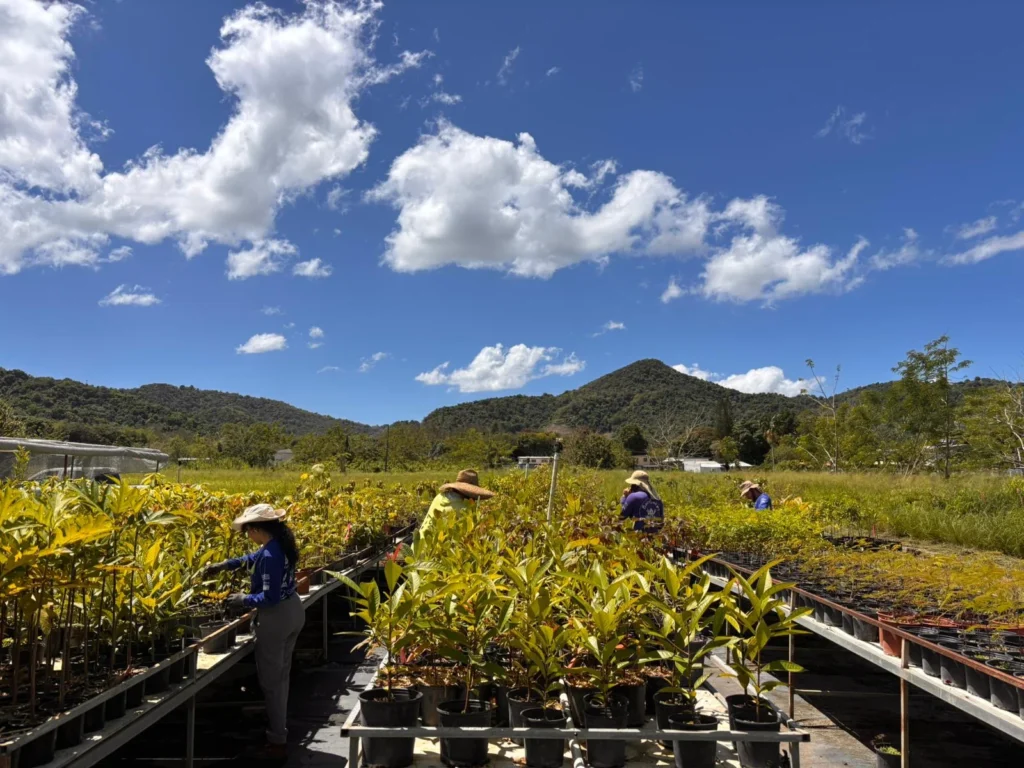
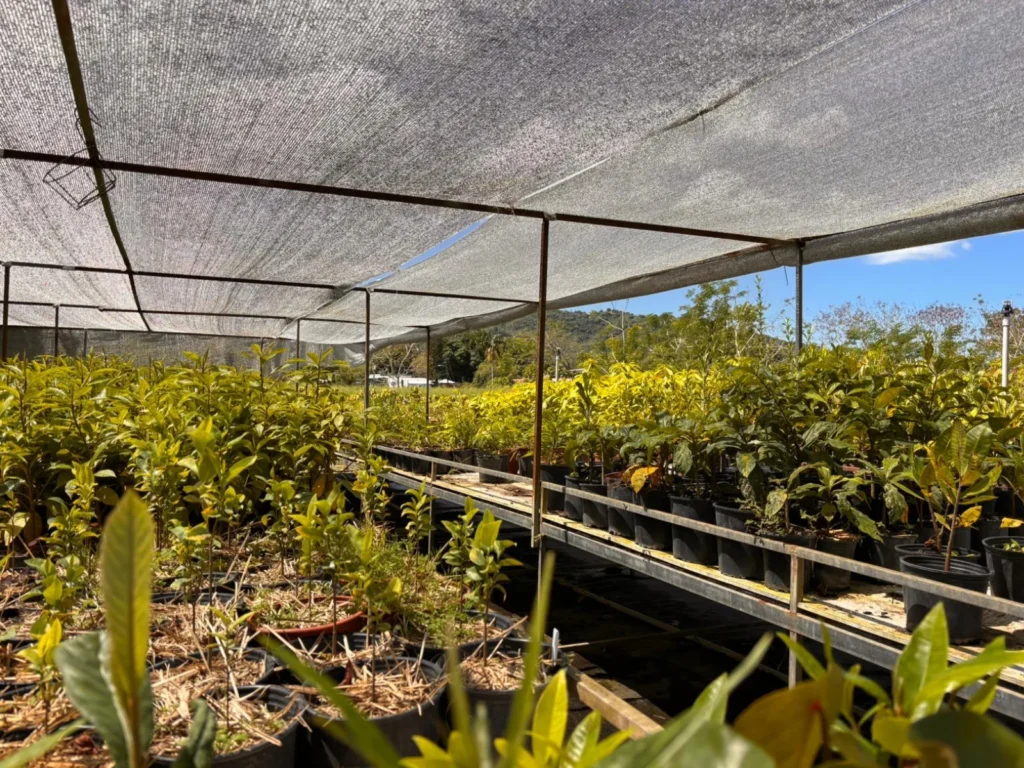
“We have all this information in a database where we record when the seeds are collected, how much they weigh, where they come from and how long they take. With that we obtain essential information for species management,” she indicated. The nursery has different specialized areas, including germination beds, growing spaces and hardening zones where the trees are prepared before being moved to their planting sites.
According to Carrasquillo Pérez, the team currently maintains more than five thousand trees in different stages of development while continuing to experiment with species capable of adapting to the region's climatic conditions.
“We are experimenting with which species endure better and which ones are adapting to this extreme heat. It is something we are working on constantly because we want to know what species we are going to plant in each location,” she explained.
The coordinator added that the team has also developed standardized operational procedures to document each stage of the process, from the arrival of seeds to the delivery of trees to communities and collaborating organizations.
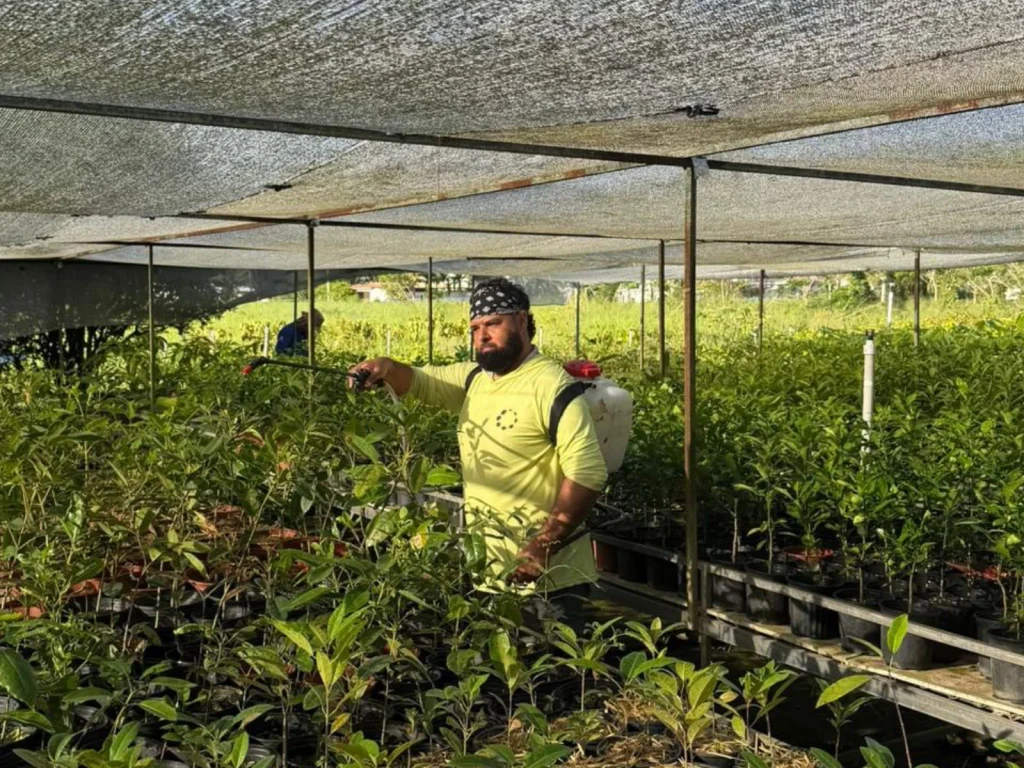
“We have an SOP (Standard Operating Procedure) for everything we do. What happens when someone comes to look for trees, when trees arrive at the nursery, and we also keep a record of where each seed comes from,” she pointed out.
The species produced include native, ornamental, coastal, and fruit trees. However, over the past few months, the project has increased its focus on species that can support the development of edible forests in the region. Among the species that U-TREE cultivates in its nurseries are fruit trees such as jackfruit (Artocarpus heterophyllus), cashew (Anacardium occidentale), tamarind (Tamarindus indicaand the acerolaMalpighia emarginata, selected for their ability to produce food and adapt to the climatic conditions of southwestern Puerto Rico. “Each year the focus has changed. We are focusing more on fruit species for food forests,” indicated Carrasquillo Pérez.
Tree production in nurseries is part of one of the project's main goals: planting 20,000 trees during the grant period. However, as the initiative has progressed, the team has concluded that the impact depends not only on reaching a number, but on selecting the appropriate species, ensuring their survival, and responding to the particular needs of each community where they will be established.
“When we talk about the 20,000 trees, we have realized that perhaps it is not necessary to have more trees, but rather to better manage and maintain the ones we already have. The point is for us to have more pleasant and safe urban environments, said project manager Yasiel Figueroa.
Currently, U-TREE has planted nearly 2,000 trees in over 40 different locations, incorporated more than 50 species into the urban landscape, and continues to strengthen its nursery's production capacity as part of a long-term strategy to support climate and community resilience in southwestern Puerto Rico.